Free shipping · 0% for 6 months · White-glove available


How to Choose Luxury Furniture

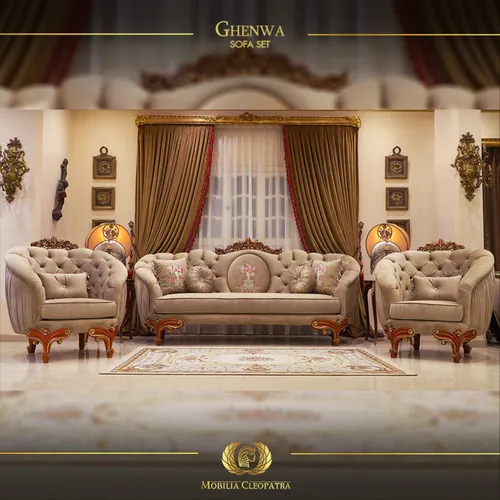
How to Choose Luxury Furniture
Choosing luxury furniture is a materials decision before it is a style decision. A carved frame, a velvet sofa, and a gilt finish can all look expensive in a photo. The pieces that still look right after ten years are built from solid wood, a named hardwood veneer, or a hardwood frame with a fabric you can identify.
This guide is for a U.S. home, not a showroom mood board. It covers what “luxury” should mean on a specification sheet, how to match a style to the room you already have, which materials are worth the price, and how to buy a sofa or a dining set without guessing. Mobilia Cleopatra, in Rancho Cucamonga, California, builds and sells handcrafted traditional, French, Victorian, and custom pieces in that range. Use the checks below on any brand, including ours.
What luxury furniture should mean
Luxury furniture is defined by construction, not by a logo or a high tag. On a sofa, that means a kiln-dried hardwood frame, eight-way hand-tied springs or a high-density foam seat with a documented density, and an upholstery fabric sold by name: velvet, chenille, linen, or top-grain leather. On a case piece, it means solid wood or a thick hardwood veneer over plywood, with drawer boxes that are dovetailed or doweled, not stapled.
Finish is the second test. Hand-applied gold leaf, a catalyzed lacquer, and a stained hardwood that shows grain are finishes. A printed foil that mimics carving is a costume. If the product page will not name the wood, the foam, or the fabric, treat the piece as decorative, not as an investment.
Style is separate from quality. A French provincial commode and a Victorian settee can both be well made. So can a plain linen sofa. The style you want does not change the joinery you should ask for.
Start with the room, not the collection
Measure the longest wall, the door swings, and the window light before you fall for a set. Dark walnut and black lacquer drink light. Pale finishes and a gilt accent read larger in a room with one window. A sofa that blocks the walkway is still the wrong sofa.
Name the job next. A living room that hosts dinner needs a sofa you can sit on for three hours, not a carved showpiece with a shallow seat. A dining room should start with table length and chair clearance, then the sideboard.
Buy the anchor first. In a living room that is the sofa. In a bedroom it is the bed. In a dining room it is the table. Matching every accessory in one finish is optional. Matching the scale is not. A delicate French chair next to a blocky sectional looks accidental, even when both pieces are expensive.
Choose a style you can live with
Pick one dominant style and let the rest support it. Mixing three “statement” styles in one room is how luxury starts to look like a warehouse.
- Traditional furniture uses symmetry, rolled arms, and dark or fruitwood finishes. It suits formal living rooms and dining rooms that are used every day.
- French style furniture is lighter: cabriole legs, painted or gilt frames, and curves instead of heavy blocks. It works in rooms that need ornament without weight.
- Victorian furniture is the carved, upholstered end of the range: tufting, nailhead, and deeper seats. Use it when the room can hold the visual weight.
If you are deciding between carved European styles, read the difference between Victorian and Baroque furniture before you order a matching set. Baroque is heavier and more sculptural. Victorian is more about upholstery and domestic scale. They are not interchangeable, even when both use gold.
For a whole-home plan, repeat one wood tone and one metal. Cherry with antique gold can run from the bed to the dining chairs. Walnut with chrome usually cannot, unless the chrome is a single accent.
Materials worth paying for
Ask for the species, not the word “wood.” Oak, walnut, cherry, mahogany, and beech are common in this category. A hardwood frame on a sofa should be named. “Hardwood” with no species is a weak answer. Particle board under a veneer is acceptable on a low-stress panel. It is a poor choice for a bed rail or a dining leg.
Upholstery should be named the same way. Cotton velvet marks and crushes, which some people want. Performance velvet resists stains and looks slightly less deep. Chenille hides wear in a family room. Top-grain leather will patina. Bonded leather will peel. If the swatch has no fiber content, do not buy the sofa from a photo.
Metal and stone are accents here, not the structure, unless you are buying a table with a named top. Gold leaf over a carved wood frame is a finish. A gold-colored coating over resin is not the same object. Marble and stone tops need a thickness you can see from the edge. A printed stone pattern on laminate belongs in a different budget.

Construction details to check
Turn the piece over, or ask for a photo of the underside. On a sofa, look for a kiln-dried frame, corner blocks that are screwed and glued, and a suspension you can name. Sinuous springs are common and fine for many sofas. Eight-way hand-tied springs cost more and hold a deeper seat. Webbing alone, with no springs, is a lighter build.
On tables and chests, look at the drawer. Dovetail joints, or a doweled hardwood drawer box, outlast a stapled box. Drawer bottoms should be set in a groove, not tacked on. Doors on a sideboard should close without a gap that changes from hinge to latch.
Carving should be part of the wood, not a glued resin appliqué, if the price is in luxury territory. Run a hand along the back of a crest rail. Sharp, thin edges that flex are a warning. A finish should feel even in the recesses. Pooled stain in the carving usually means a rushed spray, not a hand finish.
Handmade does not automatically mean better, but it should mean a person can describe the step. If you want that class of piece, start in the custom orders collection and ask which parts are carved, which are assembled, and what the frame wood is. A custom order is the right path when a stock size will not fit the wall. It is the wrong path if you only want a different pillow.
How to buy the anchor piece
For most homes the first order is a sofa or a sectional. Sit in it, or ask for seat depth, seat height, and arm height in inches. A 40-inch seat depth looks generous in a photo and feels like a lounge. A 22-inch depth is a formal chair you will not nap in. Neither is wrong. They are different rooms.
Then buy the table that faces it, not a second sofa. A coffee table should clear the sofa by about 16 to 18 inches and sit near the seat height. A dining table needs 36 inches of pull-out space behind each chair, more if the room is a pass-through. Those two numbers prevent the most common luxury mistake: a beautiful set that cannot be used.
Browse by room once the measurements are written down. Living room furniture is the right place for the sofa decision. Bedroom and dining should wait until that anchor is chosen, unless the dining table is the piece the house was planned around. Do not fill a cart from three styles because each item was on sale.
Care, delivery, and what “investment” actually means
A well-built piece is still ruined by the wrong cleaner. Vacuum velvet with a soft brush. Blot spills. Do not steam a silk blend because a video said to. Leather needs a cleaner made for that finish, not a household wipe. Wood wants a dry cloth and a coaster. Citrus oil polishes build a film that dulls a lacquer.
Delivery matters as much as the finish. White-glove service should include placement in the room, not a drop at the curb, when the piece is a carved bed or a marble-top table. Ask who assembles legs and hardware. A finish chip from a warehouse delivery is not a care issue. It is a shipping issue, and it should be in the order notes before you pay.
Investment, in this category, means the piece can be recovered or refinished. A hardwood frame with replaceable cushions can be reupholstered. A molded foam shell with a glued cover cannot. Buy the first kind if you expect to keep it. Buy the second only if you like it for the current room and the price matches a shorter life.
Common questions
What makes furniture luxury rather than just expensive?
Named materials and visible joinery. A high price with an unnamed frame, a bonded leather, or a printed foil finish is expensive. It is not luxury construction.
Is solid wood always better than veneer?
No. A thick hardwood veneer over plywood is stable for tops and doors and resists warping better than a wide solid panel. Solid wood belongs on legs, frames, and drawer boxes. Ask which parts are which.
Can I mix French and Victorian pieces?
Yes, if one style leads. Use French frames for the lighter pieces and keep Victorian carving on the sofa or the bed, not on every table. Repeat the metal finish so the mix looks planned.
How long should a luxury sofa last?
A kiln-dried hardwood frame with replaceable cushions is a 10- to 15-year piece in a normal home, longer if it is recovered. The fabric will wear before the frame. That is expected.
Should I buy a matching set?
Buy a matched dining set if you want one finish on the table and chairs. Do not buy a matched living room from a single photo if the sofa scale is wrong. The set discount is not worth a sofa that does not fit.
When is custom furniture worth it?
When the wall, the table length, or the upholstery is specific. A stock piece in the right size is the better buy. A custom frame is the better buy when nothing in stock clears the door or the window.
A practical way to order
Write down the room size, the anchor piece, and one style. Check the frame, the fabric, and the finish against the tests above. Then order that anchor from a collection that matches the style, and stop. The tables and the lighting can follow once the sofa or the bed is in the room.
If you want that first piece in a traditional, French, or Victorian line, use the style hubs linked above and ask for the wood species before you place the order. A clear answer is the luxury. The carving is the decoration.
